Bold Business Logo

Will AdhereTech Smart Pill Bottles Increase Compliance?

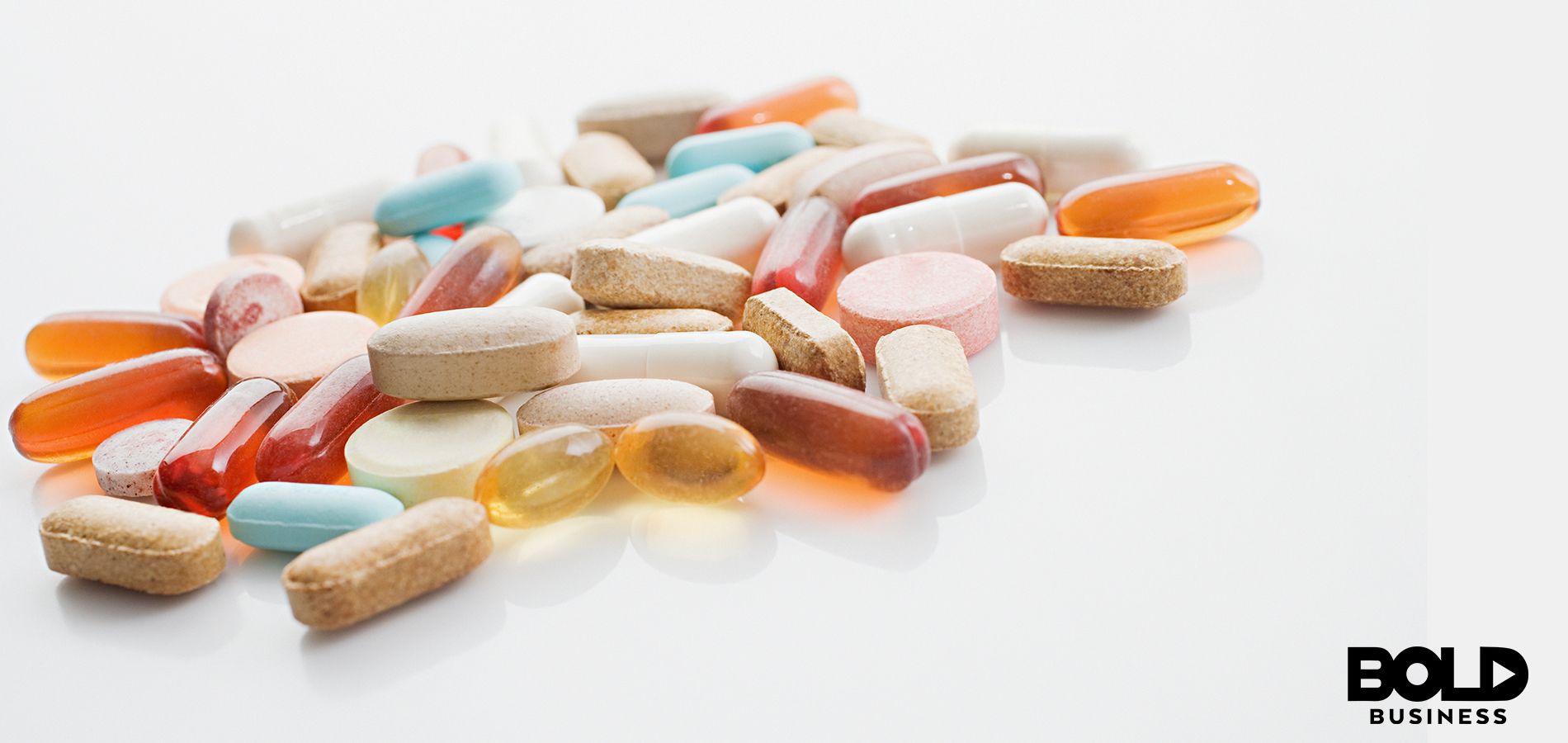
Noncompliance refers to the failure of patients to take the medications prescribed to them. This costs the industry an estimated $280 billion each year and results in a 10% increase in hospitalizations. In fact, his issue could already be classified as a major public health problem.

In a study conducted by Dr. Kevin Volpp of the University of Pennsylvania’s Center for Health Incentives, patients with heart failure who were given Internet-linked pill bottles and a cash incentive for taking their pills on time failed to increase medication adherence.

Researchers in drug companies work for years, sometimes even decades, in order to develop highly effective drugs to cure several illnesses. These pharmaceutical companies conduct several clinical trials to establish the efficacy of every medication. After, they go through the tough process of getting approval from the U.S. Food and Drug Administration (FDA).

For medication to work, patients need to take them. A patient’s failure to take the prescribed medication could result in a hospital admission (or readmission). Researchers found that failure to doctor-prescribed drugs have resulted in an average of about 100,000 preventable deaths each year.

Unsurprisingly, one of the most common excuses given for not taking the prescribed medications is forgetfulness. As a result, several companies have come up with different versions of smart pill bottles. The bold idea aims to provide a solution to the “forgetfulness” issue.

To validate the notion that forgetfulness is the reason behind the problem of non-adherence, Dr. Niteesh Choudhry, a physician and professor at Harvard Medical School, conducted a randomized trial of 50,000 patients who were prescribed cardiovascular medications or antidepressants. Each patient was given one of three tools: a standard daily pillbox, a digital cap that functions like a stopwatch, and a pill bottle with toggles marking if the medication has been taken for the day.

The expectation was that patients who used the pill bottle with the digital cap would improve their pill-taking habits, but it surprisingly was not the case. It appeared that a reminder was not powerful enough as there was no improvement in their pill-taking habits, regardless of the tool they were given.

Internet of Things Makes Smarter Bottles

A proposed solution to the problem came in the form of “smart” pill bottles. Riding on the Internet of Things (IoT) technology, several companies developed their own version of an Internet-connected pill bottle and caps that can send reminders, through email or text messages, to take the pills. Relatives, caregivers, and other third parties may also get alerts so they can remind the patient about taking his or her medication. The smart bottles could be purchased from the manufacturers or are given out by pharmacists.


AdhereTech currently leads the pack of smart pill bottles manufacturers, partnering with the world’s largest pharmaceutical companies, pharmacies, and healthcare firms to make give patients worldwide access to the smart pill bottles. AdhereTech’s wireless pill bottles automatically gather and send adherence data, with the company’s robust software system analyzing the information in real-time. Missing a dose will result in the patients receiving customizable interventions such as automated phone calls, text messages, or personalized support.

AdhereTech’s CEO, Josh Stein, claims that patients’ adherence to the medication regimen increased by an average of 24%. However, large-scale evaluations of the smart-bottle technology showed less encouraging results. In a study conducted by Dr. Kevin Volpp of the University of Pennsylvania’s Center for Health Incentives, patients with heart failure who were given Internet-linked pill bottles and a cash incentive for taking their pills on time failed to increase medication adherence. The expected reduction in hospital readmission and lower health care costs did not materialize.

Smart pill bottles, even when partnered with cash incentives, did not work in patients who kept on failing to take their medication. It is becoming apparent that the reason behind medication non-adherence is not forgetfulness. In many cases, patients do not want to take their medications every day as medication reminds them of the illness or illnesses they have, a negative thought they do not want to welcome.

Reminder technology in the form of smart pill bottles is a bold idea, and is a great part of the solution. However, it is highly possible that there may be something else needed to change the patients’ behavior.

Vaccine is Now Ready for Human with HIV Infection

A collaboration between the US National Institutes of Health (NIH) and the pharmaceutical company Sanofi has resulted in the engineering of an antibody that attacks 99% of human immunodeficiency virus (HIV) strains and can prevent infection in primates.

In the antibody tests on 24 monkeys, none of those given the tri-specific antibody developed an HIV infection when later injected with the virus.

By combining antibodies, the researchers created a “tri-specific antibody,” each of which binds to a critical site on HIV to overcome the virus’ defenses.  Dr. Gary Nabel, the chief scientific officer at Sanofi, reported in a BBC News website interview, “These super-engineered antibodies seem to go beyond the natural and could have more applications than we have imagined to date. They are more potent and have greater breadth than any single naturally occurring antibody that’s been discovered.”

Researchers have been struggling to develop an HIV vaccine for years. Because of the virus’ incredible ability to mutate, such a vaccine has been elusive—(perhaps) until now.

HIV is believed to have originated around 1920 in the Democratic Republic of Congo when HIV infection crossed species from chimpanzees to humans.  Quietly, the disease spread because HIV infection was unknown, and transmission was unaccompanied by noticeable signs or symptoms. By the 1980s the disease had spread to five continents (Africa, Australia, Europe, North America, and South America). Because the disease was unknown, data was not available for numbers of cases before the 1980s, but estimates are that as many as 300,000 people were already infected by 1980.

In April 1984, the National Cancer Institute (NCI) announced the discovery of the cause of acquired immunodeficiency syndrome (AIDS), the HTLV-III retrovirus. The retrovirus leads to HIV infection. This infection attacks the immune system and eventually may lead to AIDS. Once the immune system breaks down, opportunistic infections and diseases take over the body, resulting in death.

The disease spread exponentially, and by 1996, an estimated 23 million people have HIV infection. Advances in the understanding of the retrovirus and how it spreads, coupled with a global assault on the disease by the healthcare community, government entities, and civic organizations, the rate of increase in HIV and AIDS cases has begun to decline from the peak reached in 2005. Since the beginning of the epidemic in the mid to late 1970s until 2016, estimates are that more than 70 million people have been infected with HIV while about 35 million people have died as a result of the infection. (Global data from UNAIDS, AIDS by the Numbers, Nov. 2016).

Combatting HIV Infection

An essential part of the all-out effort to fight the disease has been identifying cases. Currently, 60% of people with HIV infection know their status. The remaining 40% (over 14 million people) still need to access HIV testing services. As would be expected, most of the undiagnosed cases are in resource-poor countries.Positive blood vials of HIV infection

The HIV infection has a prevention education resulted in the decline of new HIV infections among adults by an estimated 11% and children by 47% between 2010 and 2016.

Advances in treatments have resulted in a significant reduction in the number of HIV infected patients that develop full-blown AIDS. AIDS-related deaths have fallen by 48% from the peak in 2005 (1.9 million) to 2016 (1 million).

The Joint United Nations Programme on HIV/AIDS (UNAIDS) reports that globally, the number of people living with HIV infection able to access antiretroviral therapy (ART) treatment has grown from less than one million in 2000 to 18.2 million by June 2016. World organizations have targeted a bold goal of 30 million by 2020, and the number of people receiving treatments in the resource-poor countries is increasing exponentially.

While progress is being made in educating to reduce the occurrence of HIV infection and treatment to reduce the fatal outcome of AIDS, a vaccine to prevent HIV infection is the ideal.

The NIH/Sanofi research looks extremely promising. Dr. Nabel notes that the tri-specific antibody targets 99% of the HIV strains at deficient concentrations of the antibody. In the antibody tests on 24 monkeys, none of those given the tri-specific antibody developed an HIV infection when later injected with the virus.

Human trials starting in 2018 will tell the story—will the bold idea of a new super antibody that attacks 99% of HIV strains lead to the prevention of a horrific disease?

Preventing Food Losses by Using Food Tech Solution to Extend Shelf Life

Solution for food losses during post-harvest is estimated at around one-third of the actual food production. The estimates give 30% losses for cereals; 50% for root crops, fruits, and vegetables; 20% for oilseeds, meat and dairy; and 35% losses for fish. Such statistics always have bold impacts on the food industry, as well as its consumers.

The analytics from the food tech solutions can provide an important solution for food losses.

These percentages have not changed much for decades, although the percentages of losses vary from country to country according to their level of economic development. For developing countries, the losses mainly occur during post-harvest and processing. With developed countries, the losses occur at retail and consumer levels.

With the earth’s population expected to exceed 9 billion by 2050, a solution for food losses is expected, companies worldwide have been developing solutions to address this problem.

From Harvest to Market

Studies have always focused on how to harvest properly, in a quick and orderly manner, where the product is kept as fresh as it was on the tree. This has resulted in methods where produce is boxed at the field whenever possible. Still, these boxes have to reach the market or the commercial kitchen. There is still a lot of available improvements in the processes and in monitoring them from the farm until they reach the consumer.

Preventing food losses

Some foods have to travel long distances via shipping containers to get to their destination. BluWrap is a food tech solution which extends the food shelf life by reducing oxygen inside shipping containers. It uses fuel cells and built-in sensors in maintaining a consistent ambient atmosphere throughout the transportation process. This extends the freshness and can also help to reach new markets.

Another solution is BT9 Xsense®, which is a real-time chain management system that monitors food production from the producer to the store. Users can use the information to help maximize product quality.

Edipeel has a different approach to post-harvest protection. Developed by Apeel Sciences, Edipeel comes from all-natural plant extracts processed by recycling agricultural products. It acts as a protective barrier against transpiration, oxidation, and microbes, this can be the solution for food losses due from spoilage and to stay the freshness of the food.

Leafy Green Machine™, the food tech solution by Freight Farms, is not new but has a different take on food production. The technology assures 365 days of harvest per year, even in diverse and challenging climate conditions. The Machine resides inside a shipping container and includes a climate-controlled closed-system hydroponic farming. It also has the Farmhand Connect app, which lets growers track the climate conditions inside the Machine. Humidity, temperature, carbon dioxide, plant nutrients, and pH levels are monitored and optimized for best efficiency, maximized production, and minimized waste products.

An alternative solution for conventional refrigeration is Wakati, which uses hydration in preserving food during transport. One liter of water per week with the help of solar energy and the Wakati system keeps fresh produce hydrated. This allows farmers and other producers in warm climates to safely store their products on the farm as well as during transit.

Food Shelf-Life Monitoring and Storage Solutions

In developed countries, the most significant losses are in the retail and consumer levels. While there are several food tech solutions, these usually monitor the food inside the refrigerator and advise the consumer on what food are nearing spoilage. This is generally achieved with the use of a smart refrigerator. Shelf-life monitoring, as well as storage solutions, are also being placed on a large scale in supermarkets. The answers do not require an intelligent appliance, as the containers and plastics are usually the solutions themselves.

One piece of technology new to the market makes use of a natural oxidation process for refrigerated products. Called Bluapple, this is an ethylene absorber for refrigerators. Ethylene is naturally occurring gas emitted by various fruits and vegetables. Limiting this chemical helps to prolong the food product shelf life of produce by up to three times longer.

Another storage solution for grains and seeds is from the International Rice Research Center, located in the Philippines. Called the Super Bag, it is a hermetically sealed storage which reduces the oxygen level to 5 percent, and significantly reduces the number of live insects without the use of insecticides. The Super Bag is also capable of maintaining consistent grain moisture, increasing germination life for stored seeds, from 6 to 12 months. As grain storage, Super Bag improves head rice recovery during the milling process.

VTT Technical Research Center has developed smart packaging which has wireless sensors that detect ethanol accumulation in food packaging. It has a live data feed on a particular food’s freshness and overall quality, which it transmits to customers via RFID tags. The smart packaging improves food product shelf-life, food quality, and reduce the food losses throughout the transport as well as the retail.

In the Kitchen

The kitchen is not only a place where food is prepared – this is also where the products have to be kept at their best. As such, food management is essential to the success of a commercial kitchen. Lastly, proper planning and forecasting are also important.

Driverless Taxi Test Completed

The once bold idea of flying driverless cars has become a reality.

“It already is capable of flying based on GPS tracks today, and we will implement full sense capability, also dealing with unknown obstacles on the way.”

What better place to do the test flight than Dubai, the biggest and most populous city in the United Arab Emirates, Dubai is a hub of innovation, technology, and the future.

The test flight took place during a ceremony that was arranged for Dubai Crown Prince Sheikh Hamdan bin Mohammed bin Rashid Al Maktoum.

The Autonomous Air Taxi (AAT) is a flying taxi developed by e-volo’s Volocopter, a drone company from Germany. AAT is an unmanned two-seater drone with 18 propellers, and uses power from electricity or batteries. Because of its driverless flight, this light sport multicopter has the ability to move people from one place to another without experiencing interruptions from the following:

  • Human intervention
  • Need for a flight license

Just like Uber, passengers also have the power to book and track their AATs using the matching phone application.

According to Sheikh Hamdan, “After the remarkable success of the first driverless metro in the region, we are glad to witness today the test flight of the Autonomous Air Taxi. This is another testament to our commitment to driving positive change. We are constantly exploring opportunities to serve the community and advance the prosperity and happiness of society.”

Other Capabilities of Autonomous Air Taxi

Aside from being a self-driving air taxi, which is already a big deal, AAT also offers other attributes such as:

Graphic of flying taxi attributes.

  • The ability to fly across Dubai for 30 minutes.
  • The speed of up to 100 kilometers per hour (62 miles per hour).
  • Deploying emergency parachutes.
  • The capability to rely on its nine independent battery systems.
  • The battery quick-charge and plug-in system – only two hours to reach full charge for the prototype (will be significantly reduced when the drone goes into production).

Experts from Dubai’s Road and Transport Authority (RTA), one of the most assertive local transit authorities, mentioned that AAT will take five years of testing in order to create legislation and safety procedures that will keep it up to par in the ever-evolving world of transportation.

Florian Reuter, the CEO of AAT, stated that, “It already is capable of flying based on GPS tracks today, and we will implement full sense capability, also dealing with unknown obstacles on the way.”

It is no doubt that Volocopter relies on technology as its strength, but that does not stop other competitors from producing their very own fiction-inspired creation. Giving the company a run for its money are Uber, Kitty Hawk, and even the aerospace giant, Airbus.

Just like its iconic high-rise buildings and skyscrapers, the city is also skyrocketing because of its consistent progress in helping improve people’s lives. The completed test for the autonomous flying taxi is going to have a bold impact on the transportation sector of Dubai, and eventually to other countries as well.

How can we help?

Bold Business Insights
Privacy Overview

This website uses cookies so that we can provide you with the best user experience possible. Cookie information is stored in your browser and performs functions such as recognising you when you return to our website and helping our team to understand which sections of the website you find most interesting and useful.